


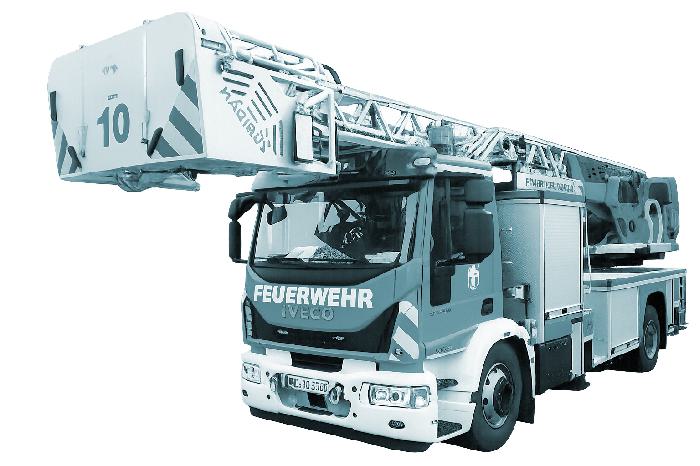
For more than a century, the fire brigade in Dorsten has been providing safety and assistance in emergencies. From small volunteer firefighting groups, a modern organization has emerged that is on duty around the clock for the people of the city.
This history station tells the story of the beginnings of firefighting, of technical innovations and of the people who serve their fellow citizens with courage and dedication. The individual stations show how the fire brigade has developed together with the city of Dorsten and remains an indispensable part of public life to this day.
In Meißen, the first volunteer fire brigade in the modern sense is founded. 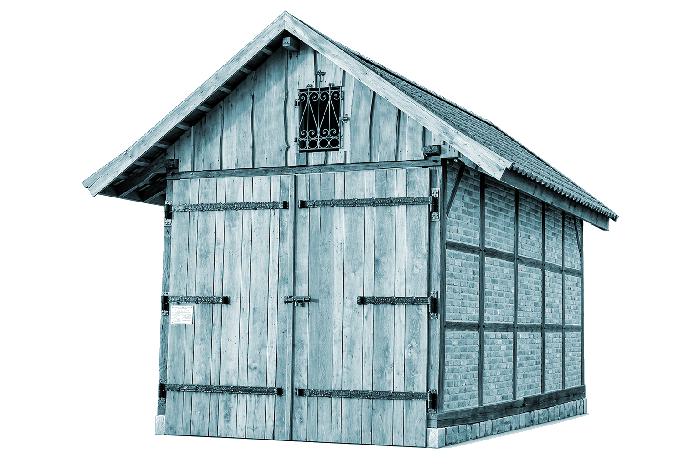
Fire engine house Dorf-Hervest |
1841 | In Dorsten, Hervest, Lembeck and Wulfen, fire engine houses equipped with various firefighting devices are in operation. Two fire pumps at Lembeck Castle support firefighting efforts in the rural communities north of the Lippe River. |
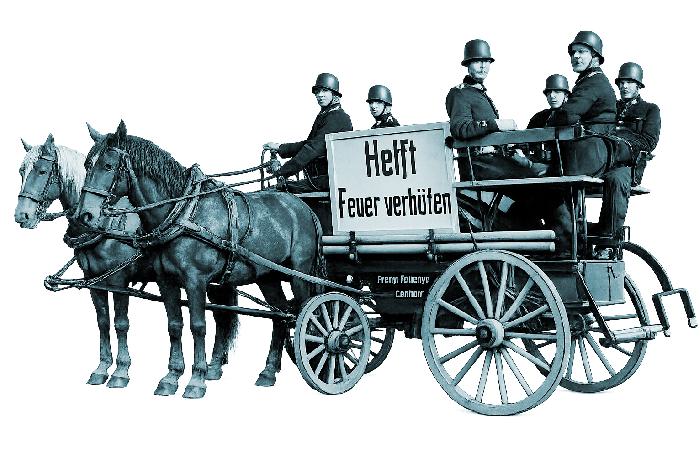
Suction and pressure pump, Lembeck fire brigade since 1922 |
1907–1928 | Young men from Wulfen, Altendorf-Ulfkotte, Lembeck, Holsterhausen, Rhade and Hervest establish volunteer fire brigades in their respective districts. Existing fire engine houses are expanded and new stations are built, including in Rhade, Lembeck and the old town district (Lippetal). |
| 1929 | The main fire and rescue station for the newly established municipality of Hervest-Dorsten is built next to St. Mary's Church in Hervest. | |
| 1933 | After serving for 20 years as secretary of the volunteer fire brigade in Wulfen, the Jewish citizen Josef Lebenstein is forced to resign. In 1944, he and his wife Paula are murdered in Auschwitz. | |
| 1934 | As part of the Nazi policy of Gleichschaltung, the fire brigades are reorganized and merged into units of the “Volunteer Fire Brigade Association Hervest-Dorsten”. | |
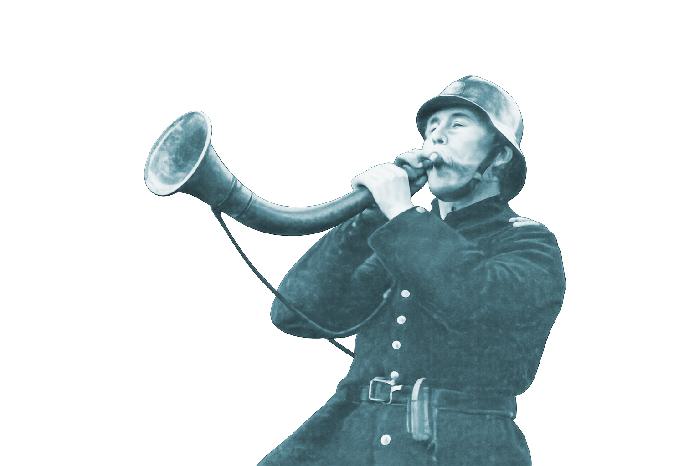
Fire alarm with a horn |
1939–1945 | During the Second World War, the remaining firefighters are on duty almost continuously, including during major operations in neighboring towns. |
On September 20, 1973, 112 was introduced nationwide as the uniform emergency number. Initiated by the Björn Steiger Foundation, 112 continues to save lives to this day. 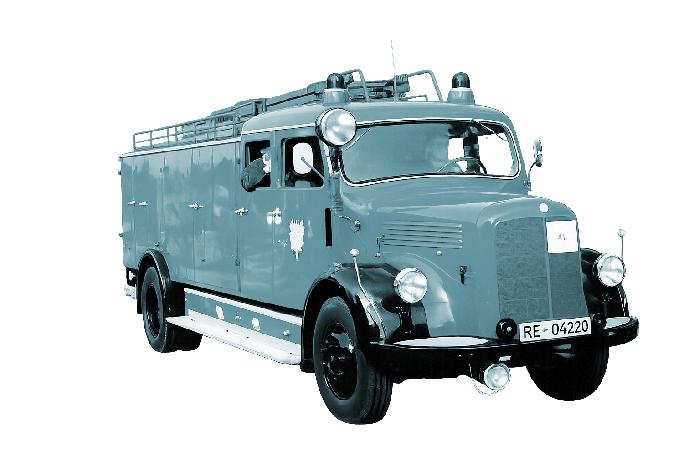
Tank fire engine TLF 16, commissioned in Lembeck in 1958. |
1946–1973 |
Reconstruction after the war is difficult. Fire stations have been looted, vehicles destroyed and many firefighters are traumatized. In the following decades, the units reorganize and develop an active club life. This strengthens their internal cohesion. |
| 1977 | A major fire at the Engel upholstered furniture factory is one of the largest operations of the post-war period. More than 100 firefighters prevent the flames from spreading to other parts of the building. | |
| 1988 | Dorsten's first youth fire brigade is founded in Holsterhausen, followed in 2005 by the "North Group" in Wulfen. In 1991, the first girl joins, and in 2004 the first woman is admitted to active service in the Wulfen fire brigade unit. | |
| 2010 | The main station is relocated from St. Mary's Church to Wienbecke. The volunteer fire brigades of the city districts support it in the increasingly demanding tasks of "rescuing – extinguishing – recovering – protecting". | |
| 2026 | The Dorsten-Altstadt Volunteer Fire Brigade, the city's oldest fire brigade unit, celebrates its 150th anniversary. |
